You're in!

Expect your first issue next Tuesday ✨ Welcome to the NomadTravelLife community.

Home Nomad Cities Cost of Living Work Tips Articles Visas Coworking Lifestyle About Contact
✦ Lifestyle & Wellness

Live Well. Work Smart.
Explore Everything.

The nomad lifestyle is more than a remote job — it's about designing a life you actually love

Work-Life Balance Achieved
Zero Commute

Pillars of Nomad Wellness

A fulfilling nomadic life rests on three interconnected foundations. Neglect any one of them and the whole structure wobbles.

🧘

Mind

Mindfulness, managing isolation, and staying grounded while always on the move. Your mental landscape is the most important workspace you'll ever inhabit — learn to tend it with the same care you give your laptop setup.

💪

Body

Exercise routines that travel with you, eating healthy in new places, and protecting your sleep across time zones. Your body is the vehicle for every adventure — keeping it strong is non-negotiable, not optional.

🤝

Connection

Building genuine relationships as a nomad takes intention and skill. From online communities to in-person retreats, the nomads who thrive long-term are the ones who invest in real human connection — not just follower counts.

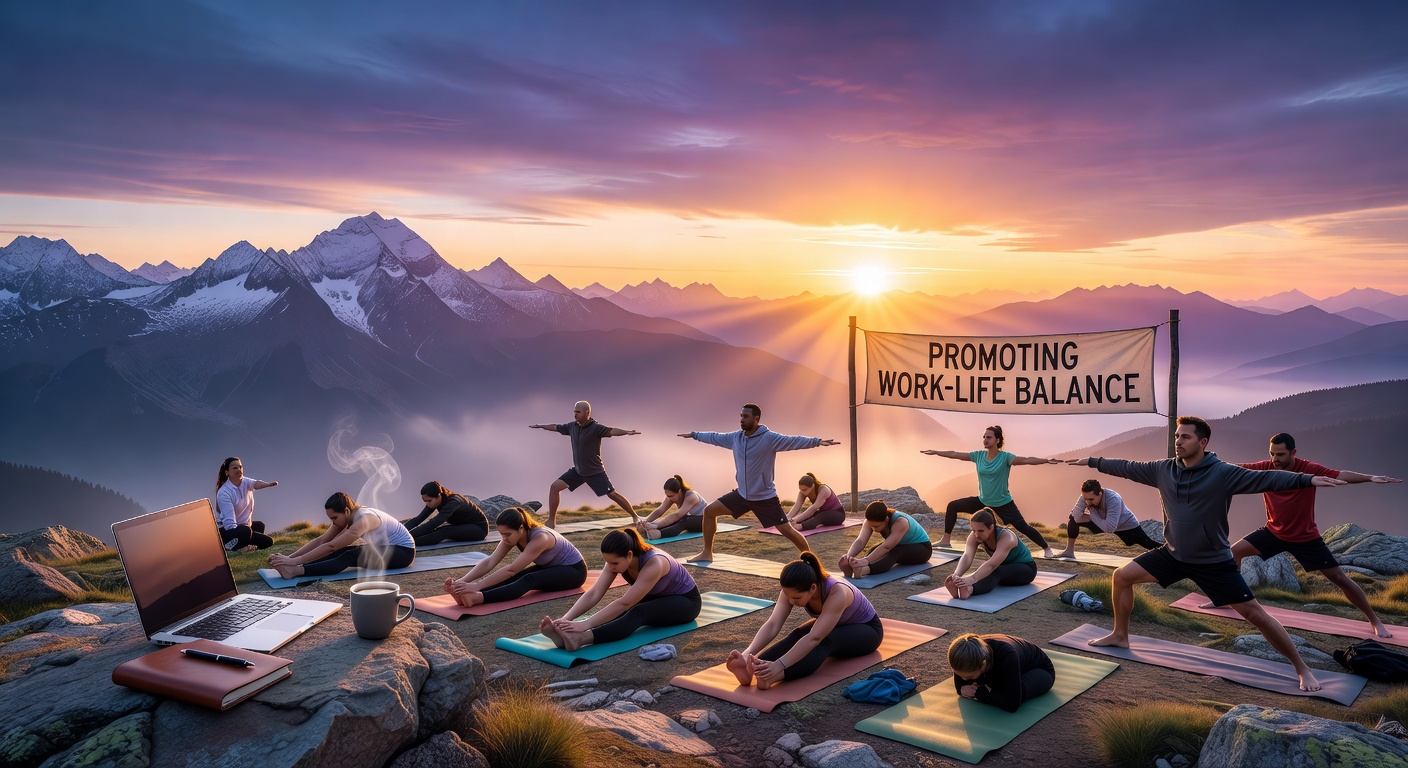
Yoga practice at mountain sunrise

Staying Healthy on the Road

Too many nomads arrive at their third country in four months wondering why they feel terrible. Street food hangovers, broken sleep from overnight flights, skipped workouts — it adds up fast. The good news: a little structure goes a very long way.

You don't need a gym, a nutritionist, or a miracle supplement. You need consistency, self-awareness, and a few non-negotiable habits that follow you from city to city.

1

Build a travel fitness routine — bodyweight workouts need no gym, no equipment, and work in any 4m² hotel room.

2

Sleep at consistent times even when crossing time zones — your circadian rhythm is worth protecting fiercely.

3

Learn to cook your protein — street food gets old and nutritionally limited faster than you expect it to.

4

Get comprehensive travel health insurance — SafetyWing and World Nomads are the gold standard.

5

Prioritize sleep over nightlife — you're here for the long game, not a two-week vacation binge.
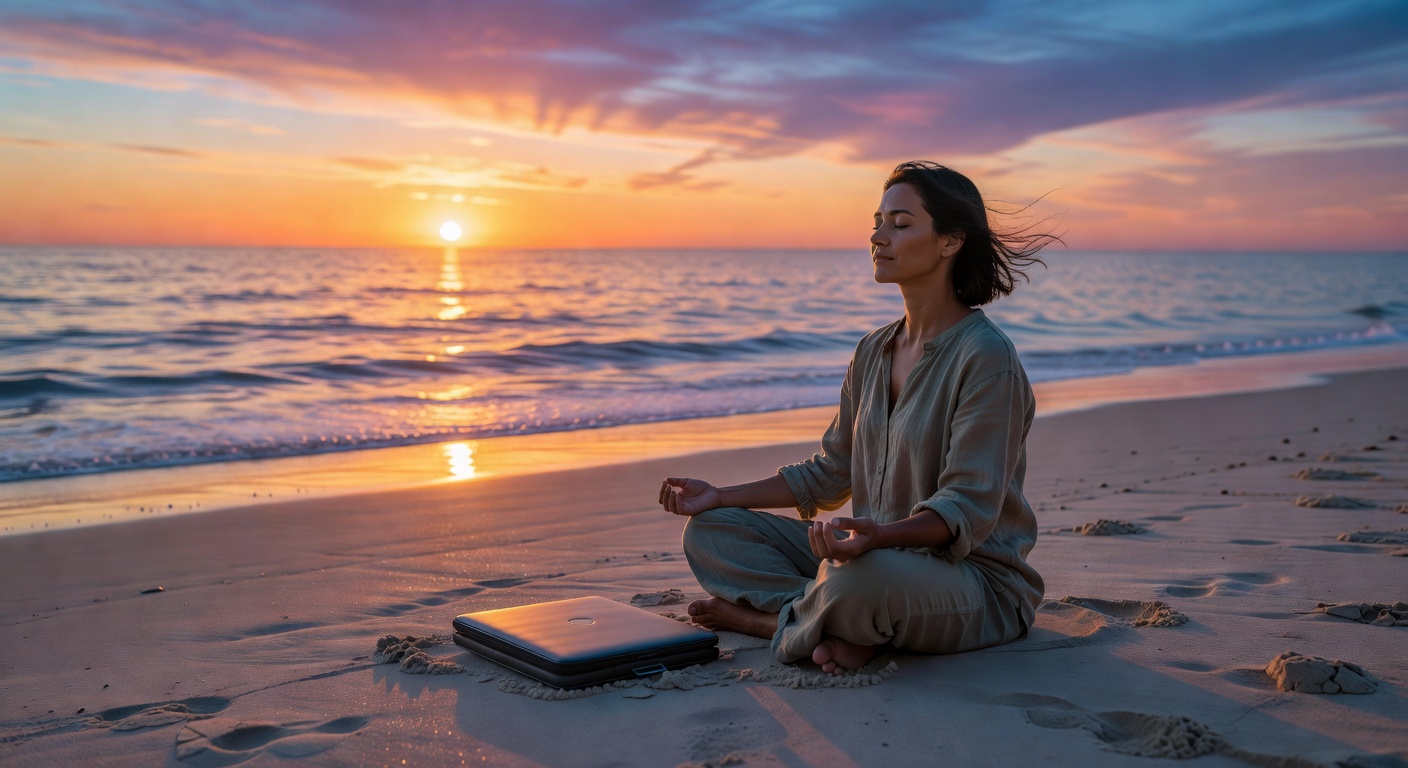
Meditation at ocean sunrise

The Real Talk About Nomad Loneliness

Nobody posts about it on Instagram, but almost every long-term nomad goes through cycles of deep loneliness. You arrive somewhere new, buzzing with excitement. Two weeks later, the novelty fades, you have no close friends nearby, and the idea of starting again in a new city feels exhausting rather than exhilarating.

This isn't a character flaw. It's a structural reality of a life without fixed social roots. The solution isn't to stop traveling — it's to build a different kind of social architecture.

"Moving fast cures boredom. Moving slow cures loneliness."

Practical solutions that actually work: embrace slow travel (stay 2–3 months per destination), join structured nomad communities like Remote Year or Hacker Paradise, try therapy apps like BetterHelp, and deliberately establish digital home bases — Slack groups, Discord servers, and weekly video calls with people who actually know you.

Building Your Nomad Tribe

Connection is the invisible infrastructure of the nomad lifestyle. Here's how to build it deliberately.

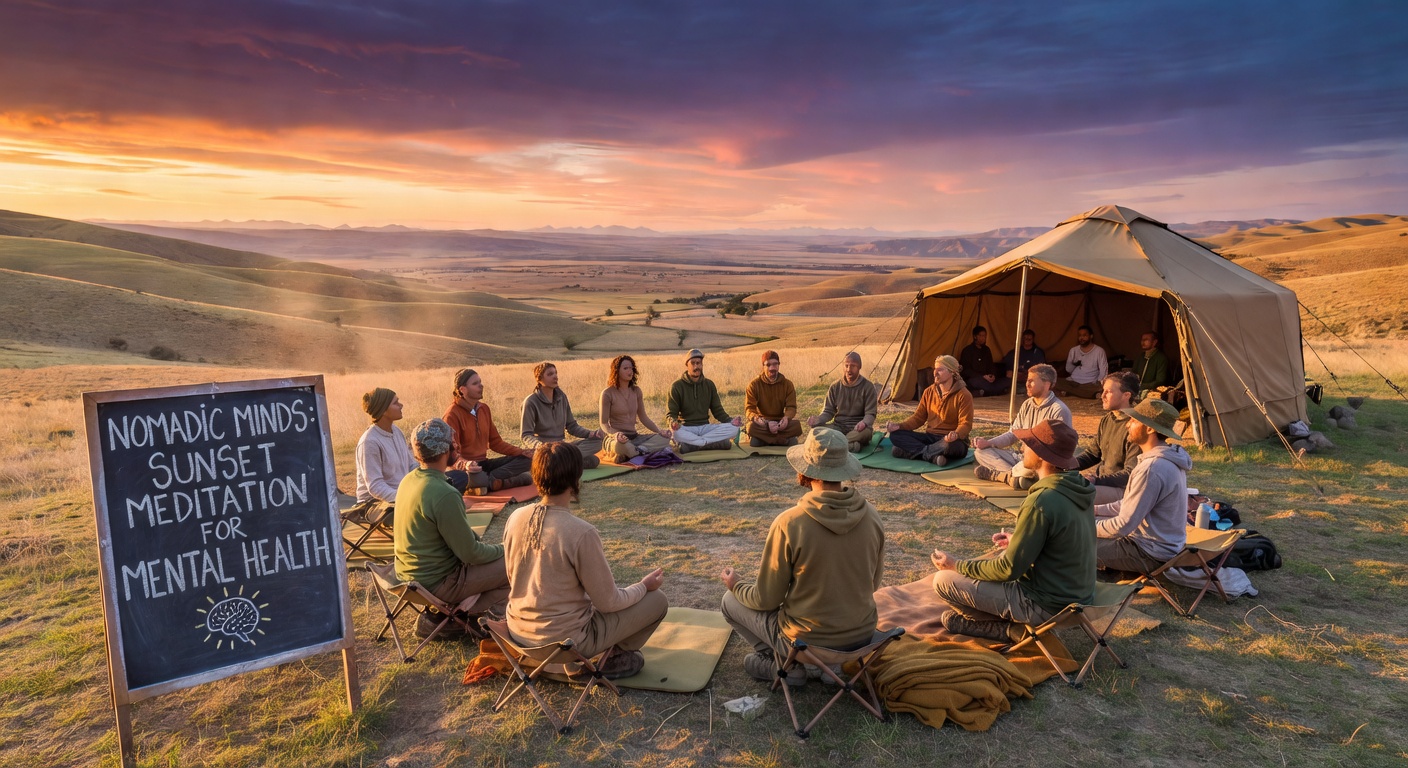
Nomads connecting at sunset

Join Nomad List and Remote Year communities — both have active forums, city-specific groups, and in-person meetups in major nomad hubs worldwide.

Attend local language exchanges and meetups — they're free, attract curious open-minded locals, and are one of the fastest ways to make real friends in a new city.

Coliving spaces are relationship accelerators — shared kitchens and communal areas create the kind of organic daily interactions that build genuine friendships faster than any app.

Stay in hostels for 2–3 nights before committing to an apartment — you'll quickly get a feel for the social scene and meet your first connections before settling in.

Sample Nomad Lifestyle Itinerary

Not all nomads travel the same way. Here are two proven approaches — find yours, or blend both.

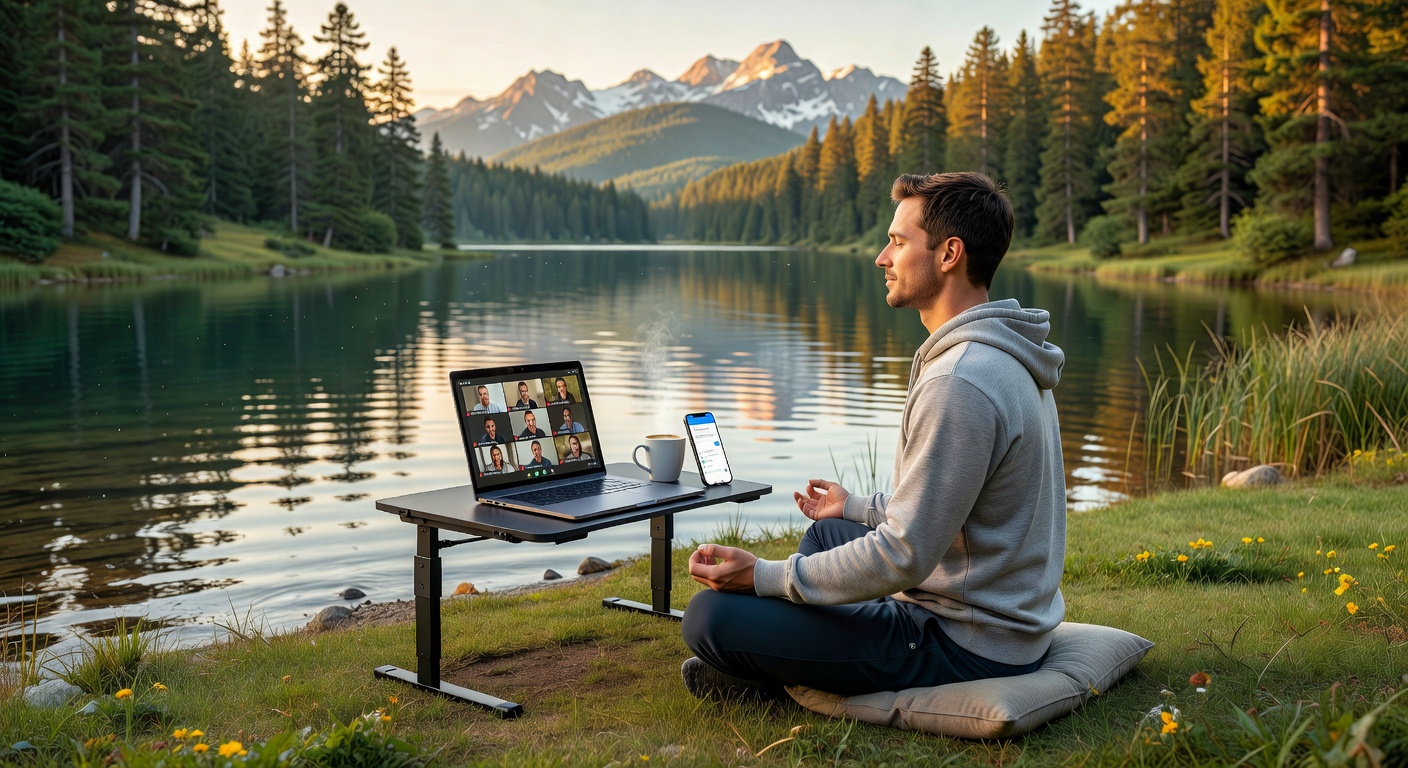
Nomad working peacefully by a lake

The Slow Traveler

2–3 months per city

Morning

7:30 AM yoga or run. Cook breakfast. Deep work block 9–12 with no interruptions. Coffee at your neighborhood spot.

Midday

Lunch at your regular local spot (you have one by week 2). Emails and calls. Language lesson or cultural activity.

Evening

Second work block 3–6 PM. Dinner with new friends from coworking or coliving. Early to bed — you're building a life, not a vacation.

The Fast Explorer

1–3 weeks per city

Morning

Hostel breakfast, explore one neighborhood on foot before the city wakes up. Settle into a new cafe for focused work 9–12.

Midday

Street food lunch, power nap if needed. Productive afternoon catch-up with remote team across time zones.

Evening

Hostel happy hour or meetup.com event. Pack light, prep for tomorrow's potential move. Research next destination.

Respect the Culture, Enrich Your Life

The difference between a tourist and a nomad isn't the length of the stay — it's the depth of engagement. Showing genuine curiosity and respect for the places you inhabit changes everything: how locals treat you, the quality of experiences you access, and the person you become in the process.

🗣️

Learn 10 words in the local language — hello, thank you, delicious, excuse me, and a few more. The goodwill this generates is wildly disproportionate to the effort required.

🍜

Eat where locals eat — avoid tourist-priced restaurants near landmarks. Walk two blocks away and you'll find better food at a third of the price.

🤲

Understand local norms around dress codes, tipping, and gestures — what's polite in one culture is rude in another, and a little research goes a long way.

🌱

Give back — volunteer, support local businesses, don't be extractive. The nomad community's long-term welcome in any city depends on the reputation we collectively build.

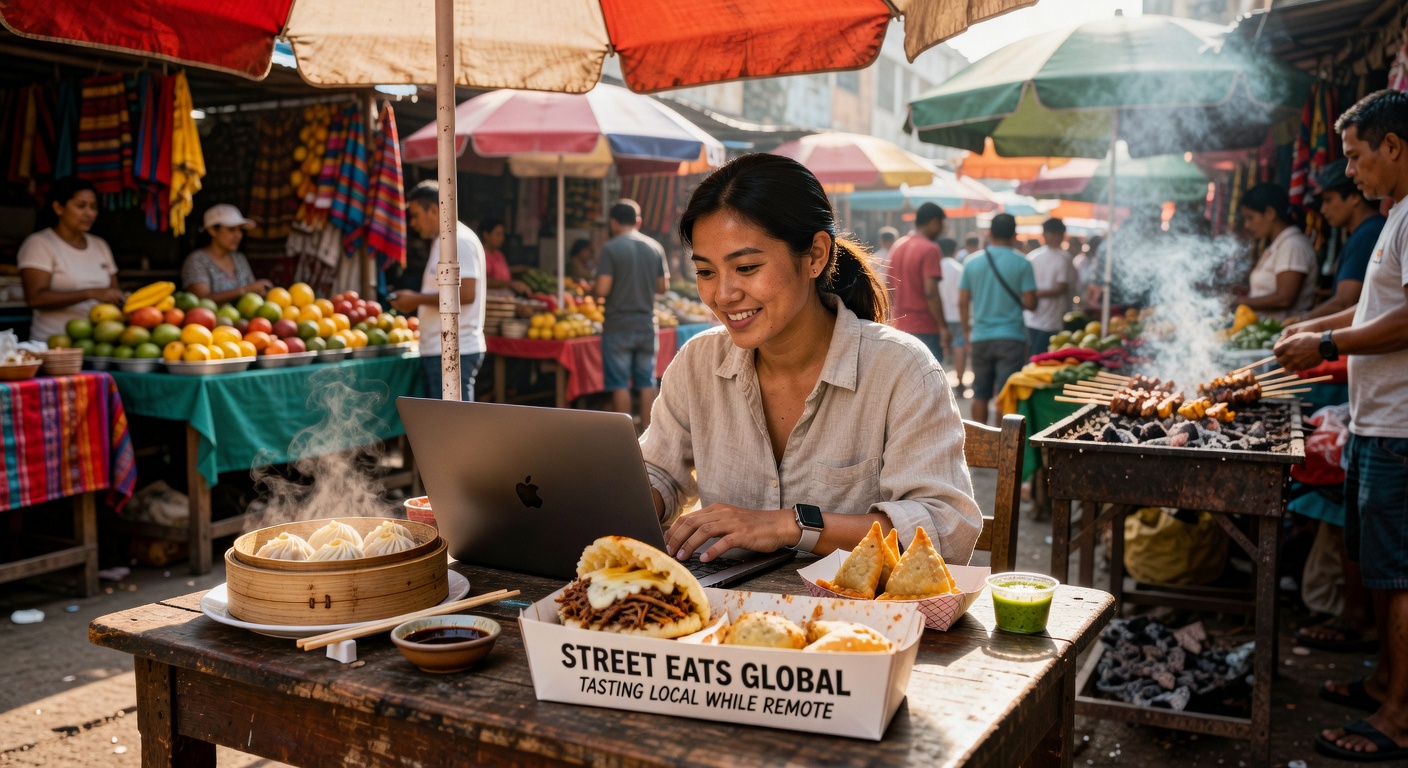
Tasting street food in a local market

Essential Nomad Reading

The books, platforms, and communities that shaped how the best nomads live and work.

Platform

Nomad List

by Pieter Levels

The definitive city ranking database for digital nomads — cost of living, internet speed, safety, and quality of life scores for 1,000+ cities worldwide.

Explore Nomad List →
Book

The 4-Hour Workweek

by Tim Ferriss

The book that launched a thousand nomads. Still the most practical guide to escaping the 9–5 and designing life on your terms, despite its age.

Find the Book →
Book

Remote

by Jason Fried & DHH

The essential manifesto for remote work culture — why office work is broken, how async communication outperforms meetings, and how to thrive remotely.

Find the Book →
Insurance

SafetyWing

Travel Health Insurance

Purpose-built health and travel insurance for digital nomads — monthly rolling coverage you can start anywhere in the world for as little as $45/month.

Get Covered →
Platform

Workaway

Volunteering & Exchange

Exchange a few hours of work for free accommodation and meals worldwide — one of the best ways to live like a local, reduce costs, and build genuine community.

Explore Workaway →
Event

Digital Nomad World Summit

Annual Conference

The world's largest gathering of digital nomads, remote workers, and location-independent entrepreneurs — packed with actionable talks and genuine community.

View Events →
Stay Connected

Join Our Lifestyle Newsletter

Weekly life tips, community stories, and destination spotlights — straight to your inbox, every Tuesday.