
Home Nomad Cities Cost of Living Work Tips Articles Visas Coworking Lifestyle About Contact
Packing nomad essentials

Visas & Permits Guide

Navigate the legal side of location-independent work with confidence

40+ Countries Covered Updated March 2026 Free Information

What Is a Digital Nomad Visa?

A digital nomad visa is a special permit issued by a country's government that allows remote workers, freelancers, and location-independent professionals to live and work legally within their borders for an extended period. Unlike a standard tourist visa — which technically prohibits working in most jurisdictions — a nomad visa explicitly recognizes your remote income and grants you a lawful basis to reside in-country without requiring local employment.

These programs have exploded since 2020, with over 50 countries now offering some version of a formal nomad permit. They're designed for people who earn their income from clients or employers outside the host country, meaning you won't be competing with locals for jobs. Whether you're a freelancer, a fully remote employee, or a small business owner, the right visa can mean the difference between a stressful border run every 30 days and a stable, legal home base for 1–10 years. Understanding your options is one of the most important steps in building a sustainable nomadic life.
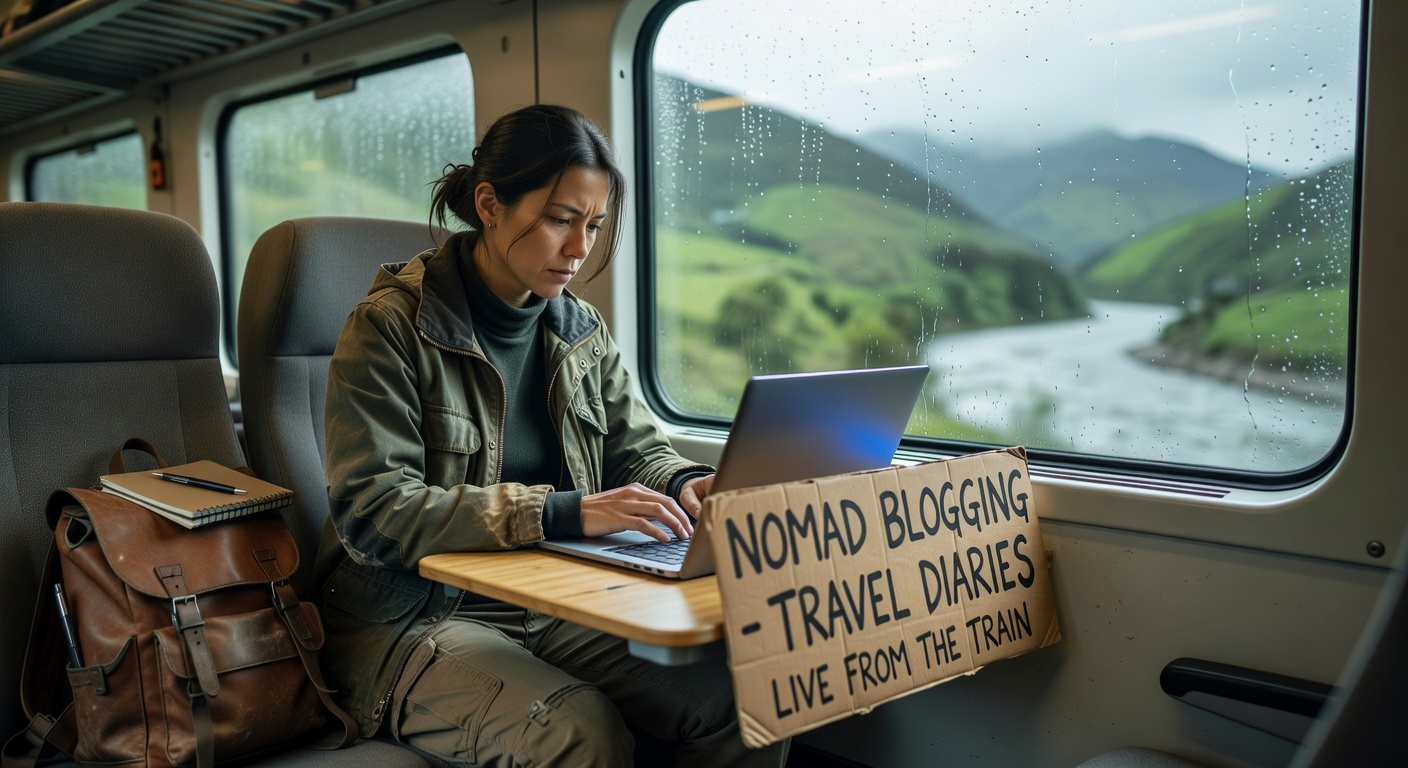
Blogging from a train window
Filter by status:
Active — Established visa program accepting applications Limited — Available with restrictions or limited slots Tourist OK — No formal nomad visa; tourist stays widely tolerated
🇵🇹 Portugal
D8 Digital Nomad Visa
Active
1 year (renewable)
€3,040 / mo
€83
4–8 weeks

Pros

  • EU access
  • Great lifestyle

Cons

  • High income req.
Full Guide →
🇩🇪 Germany
Freiberufler (Freelancer) Visa
Active
3 years
€2,000 / mo
€110
6–12 weeks

Pros

  • Stability
  • Excellent infra.

Cons

  • Complex paperwork
Full Guide →
🇮🇩 Indonesia
Second Home Visa
Active
5 years
$2,000/mo or property
$1,500
4 weeks

Pros

  • Long stay
  • Bali base

Cons

  • High cost
  • Property req.
Full Guide →
🇨🇷 Costa Rica
Rentista Visa
Active
2 years
$2,500 / mo
$250
3–6 months

Pros

  • Beautiful nature
  • Stable country

Cons

  • Slow process
Full Guide →
🇹🇭 Thailand
LTR (Long-Term Resident) Visa
Active
10 years!
$80,000 / year
$200
4–8 weeks

Pros

  • Incredible value
  • 10-year stay

Cons

  • High income bar
Full Guide →
🇲🇽 Mexico
Temporary Resident Visa
Active
1–4 years
$2,600 / mo
~$45
2–4 weeks

Pros

  • Affordable
  • Proximity to USA

Cons

  • Border run history
Full Guide →
🇪🇪 Estonia
Digital Nomad Visa
Active
1 year
€3,504 / mo
€100
2–4 weeks

Pros

  • EU country
  • e-Residency combo

Cons

  • Weather
  • Income req.
Full Guide →
🇬🇪 Georgia
Remotely from Georgia
Active
1 year
$2,000 / mo
FREE
2 weeks

Pros

  • Free & easy
  • Very cheap country

Cons

  • Not EU
  • Limited banking
Full Guide →
🇨🇴 Colombia
Digital Nomad Visa (Migrant)
Active
2 years
$684 / mo
$64
2–4 weeks

Pros

  • Very affordable
  • Great weather

Cons

  • Safety varies by city
Full Guide →

How to Apply for a Digital Nomad Visa

A general roadmap for navigating most nomad visa applications — always verify the specific requirements for your target country.

01
🔍

Research Requirements

Start by identifying which countries match your budget, lifestyle, and income level. Check the official government website and cross-reference with recent nomad community reports for on-the-ground accuracy.

02
📄

Gather Proof of Income

Most programs require 3–6 months of bank statements, client contracts, or employer letters. Ensure these documents clearly demonstrate consistent remote income meeting the stated monthly threshold.

03
🕒

Apostille or Notarize Documents

Many countries require official documents to be apostilled — a form of international notarization. Check whether your birth certificate, background check, or income documents need this step before you apply.

04
🌐

Apply Online or at Consulate

Submit your application through the official government portal or visit the nearest consulate in person. Take careful note of appointment availability — some consulates have significant wait times.

05

Wait for Approval & Pay Fees

Processing times vary from 2 weeks to 6 months depending on the country. Pay all application fees promptly, keep copies of every receipt, and respond quickly to any requests for additional documents.

06

Travel & Register Locally

Once approved, travel to your destination! Many countries require you to register your address with local authorities within 30 days of arrival. Completing this step keeps you fully compliant with local law.

Family working in a park
The world is your office. Make sure you have the right paperwork.

Common Questions

Honest answers to the questions every new nomad asks

Can I work legally as a tourist?
Technically, no. In almost every country, a tourist visa prohibits any form of work — including remote work for foreign clients. While enforcement is rare and many nomads operate in this gray area, it carries real risk: deportation, entry bans, and legal complications for future visa applications. A proper nomad visa is always the safer and more sustainable choice.
Do I need a visa if I work for a foreign company?
The legal answer depends entirely on the country you're residing in. Many digital nomad visa frameworks specifically cater to people earning income from foreign employers or clients. Even if you're on a tourist visa, working remotely for a non-local company is still technically working on tourist status. A nomad visa explicitly covers this scenario and is the cleanest solution.
What documents do I typically need?
Requirements vary by country, but the most common documents include: a valid passport (usually 6+ months validity), proof of remote income (bank statements, employment letters, or contracts), proof of health insurance covering the host country, a clean criminal background check, and passport-sized photos. Some countries additionally require an apostilled birth certificate or proof of accommodation.
How do taxes work as a digital nomad?
Taxes are complex and highly individual. Most digital nomads remain tax residents of their home country (especially if they hold citizenship there), meaning they continue to file taxes at home regardless of where they physically live. Some countries like Portugal and Georgia offer tax incentives for nomad visa holders. We strongly recommend consulting a tax professional who specializes in expat and nomad taxation before making any moves.
Can I get health insurance while on a nomad visa?
Yes, and it's usually required. Most nomad visa programs mandate proof of health insurance that covers treatment in the host country. International health insurance providers like SafetyWing, Cigna Global, and Allianz Care offer plans specifically designed for digital nomads. Costs range from $50–$300/month depending on your age, coverage level, and destination. Some countries accept travel insurance, while others require a more comprehensive health insurance policy.
Working at a festival

Get Personalized Visa Advice

Our visa advisor will review your situation and help you find the best path forward for your unique circumstances.